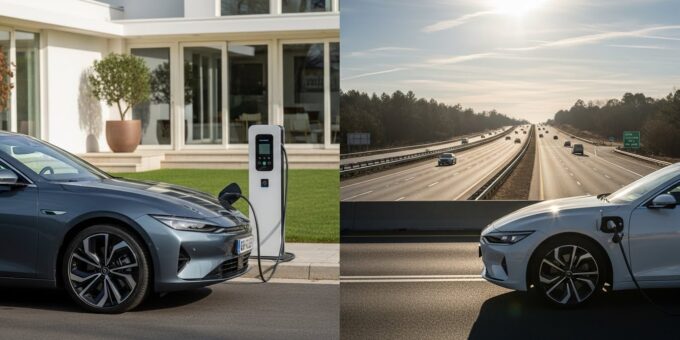
The automotive landscape has undergone a radical transformation over the last decade. As we navigate through 2026, the traditional internal combustion engine (ICE) is rapidly becoming a relic of the past. For the modern commuter, the primary dilemma is no longer whether to go green, but rather which technology serves their lifestyle best. When comparing Hybrid vs Electric Cars, the decision involves balancing convenience, initial investment, and long-term sustainability.
By 2026, battery technology has reached a tipping point, and charging infrastructure has expanded into suburban and rural territories more than ever before. However, hybrids remain a formidable contender for those not yet ready to rely solely on a plug. This comprehensive guide evaluates which powertrain wins the title of the best daily driver in the current market.
The Evolution of Hybrid Technology in 2026
Hybrid vehicles have evolved significantly. In 2026, we categorize these vehicles into three main types: Mild Hybrids (MHEV), Full Hybrids (HEV), and Plug-in Hybrids (PHEV). For daily driving, the PHEV has become the gold standard for those who want the best of both worlds. Most 2026 PHEV models now offer an all-electric range of 50 to 70 miles, which covers the average daily commute for over 80% of drivers.
The beauty of the hybrid system lies in its fuel efficiency and flexibility. You can drive to work using renewable energy stored in the battery and only engage the gasoline engine for long-distance weekend trips. This eliminates range anxiety, a factor that still influences many buyers in the automotive market. Furthermore, the resale value of hybrids remains incredibly high as they represent a safe middle ground for the transition to full electrification.
The State of Electric Vehicles (EVs) in 2026
Electric Vehicles are no longer a niche luxury item. In 2026, Electric Vehicles (EVs) have achieved price parity with their gasoline counterparts in many segments. With the introduction of solid-state batteries in high-end models and more efficient lithium-iron-phosphate (LFP) batteries in budget models, the driving range for a standard EV now averages between 300 and 450 miles per charge.
The primary draw for an EV as a daily driver is the sheer simplicity of the ownership experience. With fewer moving parts, maintenance costs are significantly lower than any hybrid or ICE vehicle. There are no oil changes, spark plugs, or complex transmission systems to worry about. For the savvy consumer, choosing an EV is often viewed as a passive income strategy for the wallet—saving thousands of dollars on fuel and repairs over the life of the vehicle.
Infrastructure and Charging Speed
One of the biggest shifts we see in 2026 is the ubiquity of Level 3 DC Fast Charging. What used to take 45 minutes can now be accomplished in under 15 minutes for most modern EVs. For those who can install a home charging station, the convenience is unparalleled. You wake up every morning with a “full tank,” effectively bypassing the gas station entirely. This seamless integration into daily driving routines makes the EV a powerhouse for urban and suburban dwellers.
Total Cost of Ownership Comparison
When choosing between Hybrid vs Electric Cars, you must look beyond the sticker price. While government incentives and tax credits have shifted, many regions still offer substantial rebates for zero-emission vehicles. The cost of ownership for an EV is typically lower over a five-year period, but the upfront investment can still be higher depending on the brand.
Hybrids, particularly Full Hybrids, offer the lowest entry price for electrified driving. They do not require any changes to your home infrastructure, making them an excellent choice for apartment dwellers or those with limited charging access. However, you are still subject to fluctuating fuel prices, which can impact your monthly online business or personal budget if you drive extensively.
Insurance and Depreciation
In 2026, insurance premiums for EVs have stabilized as repair networks have become more specialized. However, depreciation rates still vary. High-demand hybrids often hold their value better in regions where charging infrastructure is still developing. Conversely, in major tech hubs, an EV might be the more liquid asset. For those looking at cars as a financial investment, researching localized market trends is essential.
Daily Driving Performance and Comfort
The driving experience differs significantly between the two. EVs provide instant torque and a silent cabin, creating a serene environment for stressful commutes. The regenerative braking systems in 2026 EVs are more refined, allowing for “one-pedal driving” that reduces fatigue in stop-and-go traffic.
Hybrids, while quieter than traditional cars, still have the audible hum of an internal combustion engine. However, modern hybrid powertrains have become incredibly smooth, with the transition between electric and gas power being almost imperceptible. If you enjoy the mechanical feel of a traditional car but want environmental benefits, a hybrid is the perfect compromise.
Environmental Impact and Sustainability
From a sustainability standpoint, the 2026 EV is the clear winner. As the electrical grid becomes greener with more solar and wind integration, the carbon footprint of an EV continues to drop throughout its lifecycle. Manufacturers have also made strides in battery recycling, ensuring that the raw materials are reused, which addresses one of the primary criticisms of early electric cars.
Hybrids still rely on fossil fuels, even if they use them much more efficiently. For a driver committed to a net-zero lifestyle, the transition to a full EV is the most logical step. However, a Plug-in Hybrid remains a “bridge technology” that significantly reduces emissions compared to traditional vehicles, especially if the electric mode is utilized for the majority of city trips.
Which One Should You Choose?
The decision between Hybrid vs Electric Cars in 2026 ultimately depends on your specific driving habits and living situation. If you have a dedicated parking spot with a charger and your daily commute is under 200 miles, an Electric Vehicle is the superior choice for its low running costs and performance.
If you frequently travel long distances on short notice, live in an area with extreme cold weather (which still affects battery efficiency), or lack easy access to EV charging, a Hybrid or PHEV is the more practical daily driver. It offers the safety net of gasoline while still providing a modern, eco-friendly driving experience.
Conclusion: The Future of Your Commute
By 2026, the gap between these two technologies has narrowed. Both offer incredible technological advancements, enhanced safety features, and a departure from the high-pollution vehicles of the past. Whether you choose the unlimited range of a hybrid or the pure efficiency of an electric car, you are making a choice that benefits both your wallet and the planet.
As the automotive industry continues to innovate, staying informed about new car releases and energy prices will help you make the best decision for your daily driving needs. The year 2026 is the perfect time to embrace the electric revolution, in whichever form fits your life best.
