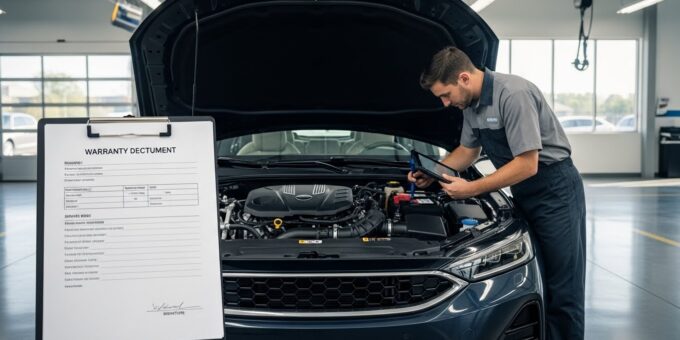
Buying a car is one of the biggest financial decisions most people make. Along with the vehicle itself, buyers are often offered additional protection plans. This leads many drivers to ask an important question: Car Warranty Explained: Is Extended Warranty Really Worth It? Understanding how car warranties work can help you avoid unnecessary expenses and protect your budget in the long run.
This guide explains car warranties in simple terms. We cover factory warranties, extended warranties, costs, benefits, drawbacks, and who truly needs one. By the end, you will know whether an extended car warranty is a smart investment or an avoidable expense.
What Is a Car Warranty?
A car warranty is a contract that covers certain repairs or replacements if your vehicle experiences mechanical or electrical failure. In most cases, the warranty pays for parts and labor related to covered components.
Car warranties are designed to reduce unexpected repair costs. However, not all warranties offer the same protection. Coverage varies based on the provider, vehicle age, mileage, and terms.
Factory Warranty Explained
A factory warranty, also known as a manufacturer warranty, comes with a new car. It usually includes several types of coverage.
- Bumper-to-bumper warranty: Covers most vehicle components for a limited time.
- Powertrain warranty: Covers engine, transmission, and drivetrain.
- Rust or corrosion warranty: Protects against structural rust.
- Emissions warranty: Covers emissions-related components.
Factory warranties typically last three to five years. Once they expire, the owner becomes responsible for repair costs.
What Is an Extended Car Warranty?
An extended car warranty, also called a vehicle service contract, provides coverage after the factory warranty ends. These warranties can be purchased from dealerships or third-party providers.
Extended warranties vary widely in price and coverage. Some plans cover only major systems, while others offer near bumper-to-bumper protection.
Common Extended Warranty Coverage
Extended warranties may include coverage for:
- Engine components
- Transmission systems
- Electrical and electronic systems
- Air conditioning and heating
- Steering and suspension
Always read the fine print. Exclusions are common and can limit the value of the warranty.
How Much Does an Extended Warranty Cost?
The cost of an extended car warranty depends on several factors:
- Vehicle make and model
- Vehicle age and mileage
- Coverage length
- Type of coverage
On average, extended warranties can cost between $1,500 and $4,000. Some premium plans cost even more. Monthly payment options are often available, but interest may apply.
Pros of an Extended Car Warranty
Extended warranties offer several benefits for certain drivers. These advantages are especially appealing to those who want predictable expenses.
1. Protection From Expensive Repairs
Modern vehicles use advanced technology. Repairs can be costly. An extended warranty can reduce financial stress if major systems fail.
2. Budget-Friendly Ownership
With covered repairs, owners can better manage expenses. This is similar to running an online business where predictable costs help maintain passive income stability.
3. Peace of Mind
Knowing that repairs are covered provides confidence, especially for drivers who rely heavily on their vehicles.
4. Transferable Value
Some extended warranties are transferable. This can increase resale value and attract buyers.
Cons of an Extended Car Warranty
Despite the benefits, extended warranties are not always worth the cost. Understanding the drawbacks is essential.
1. High Upfront Cost
Many drivers pay thousands of dollars for coverage they may never use. This money could be saved for future repairs.
2. Limited Coverage
Not all repairs are covered. Wear-and-tear items like brake pads and tires are usually excluded.
3. Claim Denials
Some warranty providers deny claims due to maintenance issues or exclusions. This can be frustrating and costly.
4. Overlapping Protection
If your vehicle is reliable, an extended warranty may provide little added value. Similar to choosing between affiliate vs dropshipping, the best option depends on your specific situation.
Who Should Consider an Extended Warranty?
An extended warranty can make sense for certain drivers.
- Owners of vehicles with poor reliability ratings
- Drivers who plan to keep their car long-term
- People who cannot afford unexpected repair bills
- Owners who drive high mileage annually
In these cases, the cost may be justified by long-term savings.
Who Should Skip an Extended Warranty?
Extended warranties are not ideal for everyone.
- Owners of reliable brands with low repair costs
- Drivers who maintain an emergency repair fund
- Those who plan to sell the car soon
Instead of a warranty, setting aside money monthly can be a smarter strategy. This approach mirrors building a dropshipping business, where funds are reinvested rather than prepaid.
Extended Warranty vs Self-Insurance
Self-insurance means saving money for future repairs rather than paying for a warranty. This approach offers flexibility and avoids coverage restrictions.
However, it requires discipline. Without savings, a major repair can cause financial strain.
How to Choose the Right Extended Warranty
If you decide to buy an extended warranty, follow these steps:
- Compare multiple providers
- Check customer reviews and ratings
- Understand exclusions and claim procedures
- Verify transferability and cancellation policies
Making an informed decision is similar to selecting the right model in affiliate marketing. Research reduces risk and improves outcomes.
Final Verdict: Is Extended Warranty Really Worth It?
So, Car Warranty Explained: Is Extended Warranty Really Worth It? The answer depends on your vehicle, budget, and risk tolerance.
For some drivers, extended warranties provide valuable peace of mind and financial protection. For others, they are an unnecessary expense. Evaluate your driving habits, vehicle reliability, and financial readiness before making a decision.
Ultimately, an informed choice will help you protect both your car and your finances.
