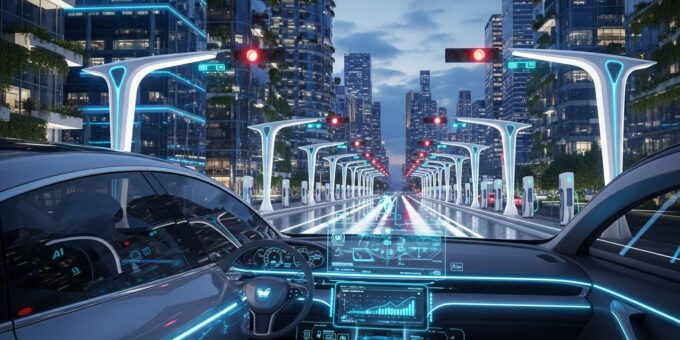
The Future of Cars in 2026 is arriving faster than many expected. Rapid innovation in electric mobility, artificial intelligence, and smart vehicle systems is reshaping how we drive, buy, and even think about cars. In 2026, vehicles are no longer just transportation tools. They are connected, intelligent platforms designed for efficiency, safety, and sustainability.
This transformation is also attracting investors, tech companies, and digital entrepreneurs. Much like building an online business or generating passive income, the automotive sector is evolving into a technology-driven ecosystem. Understanding these changes now can help consumers, businesses, and innovators stay ahead.
Electric Vehicles Dominate the Roads in 2026
Electric vehicles (EVs) are at the center of the Future of Cars in 2026. Governments worldwide continue to tighten emission regulations, pushing automakers toward full electrification. By 2026, EVs are no longer niche products. They are mainstream choices for daily commuters and families.
Longer Range and Faster Charging
One of the biggest breakthroughs is battery technology. New solid-state and lithium-silicon batteries offer longer driving ranges and faster charging times. Many electric cars in 2026 can travel over 500 kilometers on a single charge. Fast chargers can restore up to 80% battery capacity in under 20 minutes.
This improvement removes range anxiety and makes electric vehicles more practical for long-distance travel. For consumers, EV ownership now feels as convenient as owning a traditional gasoline car.
Lower Costs and Better Affordability
Battery production costs continue to decline. As a result, electric vehicles in 2026 are more affordable than ever. Entry-level EVs now compete directly with gasoline-powered cars in pricing. Maintenance costs are also lower due to fewer moving parts.
This cost efficiency mirrors how digital models like affiliate marketing or a dropshipping business reduce overhead compared to traditional setups. The automotive world is learning similar lessons in efficiency and scalability.
AI-Powered Cars Become Smarter Than Ever
Artificial intelligence is a defining pillar of the Future of Cars in 2026. AI systems are no longer limited to basic driver assistance. They now manage navigation, safety, personalization, and predictive maintenance.
Advanced Driver Assistance and Autonomy
By 2026, most new vehicles include advanced driver assistance systems (ADAS) powered by AI. Features like adaptive cruise control, lane-centering, automatic emergency braking, and traffic jam assistance are standard.
Some premium vehicles offer Level 3 autonomous driving, allowing hands-free driving in specific conditions such as highways. While full autonomy is still evolving, AI significantly reduces driver fatigue and improves road safety.
Predictive Maintenance and Diagnostics
AI-powered cars continuously analyze vehicle data to predict potential issues before they occur. Sensors monitor battery health, tire pressure, braking systems, and engine components.
This proactive approach saves drivers money and prevents breakdowns. It is similar to how smart analytics help an online business optimize performance and maximize long-term returns.
Smart Vehicle Connectivity Redefines Driving
Connectivity is another cornerstone of the Future of Cars in 2026. Vehicles are now fully integrated into digital ecosystems, communicating with drivers, infrastructure, and other vehicles.
Vehicle-to-Everything (V2X) Communication
V2X technology allows cars to communicate with traffic lights, road sensors, pedestrians, and nearby vehicles. This reduces accidents, improves traffic flow, and optimizes fuel or energy usage.
In busy urban environments, smart vehicles receive real-time updates about congestion, road hazards, and weather conditions. This creates safer and more efficient transportation networks.
Seamless Smartphone and Smart Home Integration
Cars in 2026 function as extensions of digital lifestyles. Drivers can sync their vehicles with smartphones, smart homes, and wearable devices. You can pre-condition your car’s temperature from home or check battery levels remotely.
This level of convenience reflects modern consumer expectations shaped by digital platforms and services.
Software-Defined Vehicles Take Control
The Future of Cars in 2026 is increasingly software-driven. Automakers now prioritize software development as much as mechanical engineering.
Over-the-Air Updates
Over-the-air (OTA) updates allow manufacturers to improve vehicle performance, add features, and fix bugs without requiring dealership visits. Drivers wake up to enhanced braking algorithms, improved range, or new infotainment features.
This model is similar to digital platforms that scale rapidly, much like affiliate vs dropshipping strategies in the e-commerce world, where flexibility and updates drive long-term success.
Subscription-Based Features
Many automakers offer optional features through subscriptions. Drivers can activate premium navigation, advanced autonomy, or entertainment packages as needed.
This recurring revenue model aligns with trends seen in affiliate marketing and other digital income streams, where ongoing value replaces one-time sales.
Sustainability Shapes Automotive Innovation
Sustainability is no longer optional in the Future of Cars in 2026. Consumers demand eco-friendly solutions, and manufacturers are responding.
Recyclable Materials and Green Manufacturing
Automakers increasingly use recycled plastics, vegan leather, and sustainable fabrics in vehicle interiors. Factories are powered by renewable energy, reducing carbon footprints.
This shift not only benefits the environment but also enhances brand reputation and customer loyalty.
Second-Life Batteries and Energy Storage
Used EV batteries are repurposed for home energy storage and grid support. This extends battery life cycles and reduces waste.
It also creates new business opportunities, similar to how diversified income streams generate passive income over time.
How the Future of Cars Impacts Consumers and Businesses
The Future of Cars in 2026 affects more than just drivers. It reshapes industries, job markets, and investment strategies.
New Career and Business Opportunities
Software engineers, AI specialists, battery experts, and data analysts are in high demand. Startups focusing on mobility services, charging infrastructure, and automotive software are growing rapidly.
For entrepreneurs, the automotive tech space offers opportunities similar to launching an online business or scaling a dropshipping business with global reach.
Better Ownership Experience
Consumers enjoy safer, cleaner, and more personalized driving experiences. Maintenance is predictable, fuel costs are lower, and connectivity enhances daily convenience.
Cars are becoming long-term technology investments rather than depreciating mechanical assets.
Conclusion: The Road Ahead in 2026
The Future of Cars in 2026 is defined by electric power, artificial intelligence, and smart connectivity. Vehicles are evolving into intelligent platforms that adapt to drivers’ needs while supporting sustainability goals.
As technology continues to advance, cars will play an even greater role in digital ecosystems. Much like successful affiliate marketing strategies or scalable tech ventures, the future automotive industry rewards innovation, adaptability, and forward-thinking design.
For consumers, businesses, and investors alike, 2026 represents a turning point where mobility becomes smarter, cleaner, and more connected than ever before.
